Press Materials: Principal Conductor
Elisabeth Fuchs

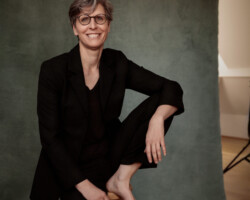
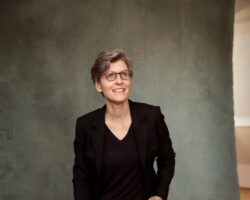
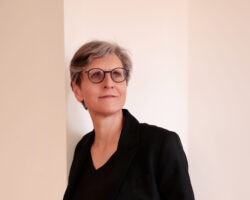
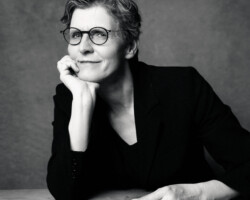
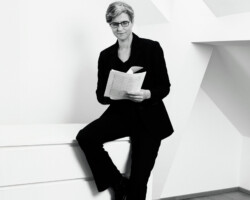
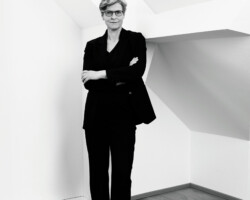
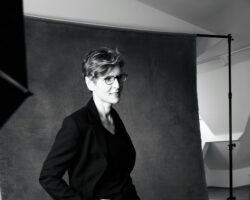
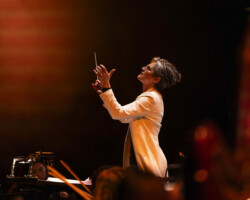
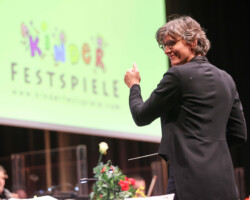
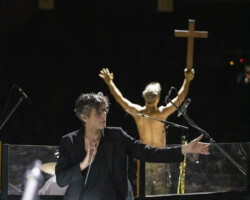
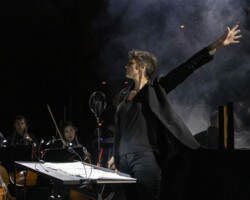
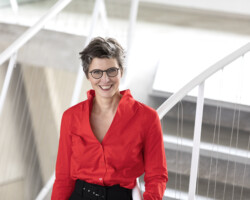
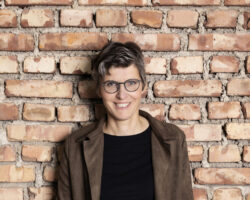
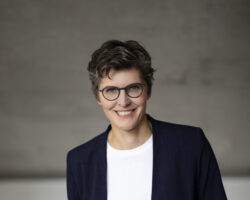
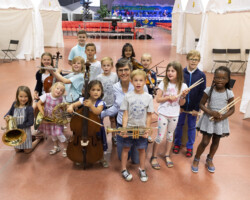
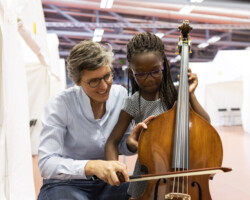
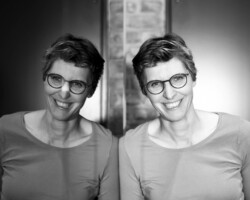
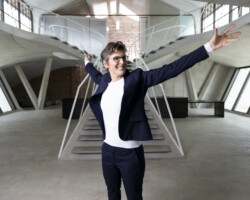
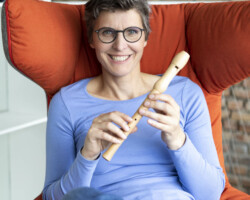
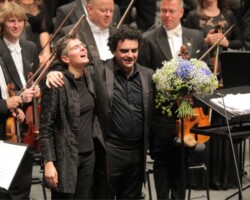
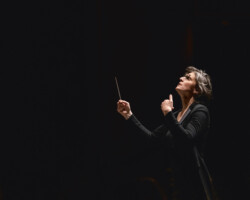
Royalty-free photos in connection with your reporting, with photo credit given to the Salzburg Philharmonic, Elisabeth Fuchs , and/or the Children's Festival.

Elisabeth Fuchs, Conductor

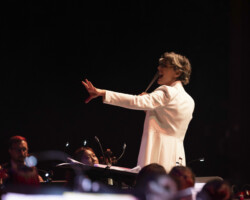
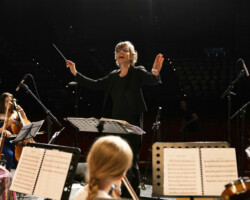
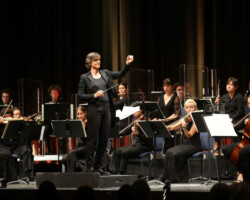
Elisabeth Fuchs , a native of Austria, is the principal conductor of the Salzburg Philharmonic, with which she performs a wide-ranging repertoire at the Festspielhaus Salzburg, the Felsenreitschule, and the Great Hall of the Mozarteum (Bach, Mozart, Beethoven, Schubert, Mendelssohn, Schumann, Brahms, Bruckner, Mahler, Dvořák, Tchaikovsky, Rachmaninoff, Shostakovich, Ravel, all the way to Arvo Pärt, Kurt Schwertsik, and John Adams). With her orchestra, she has made numerous guest appearances at the Vienna Musikverein, the Vienna Konzerthaus, the Brucknerhaus in Linz, the Congress Center in Villach, the Kurhaus in Wiesbaden, and the Tonhalle in Düsseldorf. Highlights of the 2019/20 season include Orff’s *Carmina Burana*, Mahler’s Symphonies Nos. 1 and 5, Elgar’s *Enigma Variations*, Bruckner’s Symphony No. 4, Schubert’s “Great” Symphony in C major, Mozart’s final symphonies, Dvořák’s Symphony No. 8, Brahms’ Symphony No. 2, and Berlioz’s *Symphonie fantastique*. In the fall of 2018, Elisabeth Fuchs , and the Salzburg Philharmonic embarked on their first tour of China, featuring Beethoven’s “Pastoral” Symphony as the centerpiece.

Since 2012, Elisabeth Fuchs has maintained a regular collaboration with the Stuttgart Philharmonic; since 2014, she has conducted the Zagreb Philharmonic Orchestra at Lisinski Hall nearly every season. In 2013, she made her debut with the Helsingborg Symphony Orchestra and was invited back, just as she was after her debut with the Brussels Philharmonic Orchestra in 2014. Elisabeth Fuchs has performed at the Musikhalle Hamburg, the Konzerthaus Dortmund, and the Rheingau Music Festival, and has conducted the Bruckner Orchestra Linz, the Tonkünstler Orchestra of Lower Austria, and the NDR Radio Philharmonic Orchestra Hannover. In 2018, she made her debut with the WDR Symphony Orchestra Cologne, the HR Symphony Orchestra Frankfurt, and the Munich Symphony Orchestra. In 2019, she recorded the CD “Volkslied reloaded” for Sony Music with the Munich Radio Orchestra and Quadro Nuevo.

Elisabeth Fuchs made her debut at the Prague State Opera with The Magic Flute, at the Salzburg Festival she conducted Shostakovich's The New Babylon and the Mozart operas Bastien und Bastienne and Der Schauspieldirektor, which were recorded on DVD by Deutsche Grammophon.
In 2017, Elisabeth Fuchs made her debut in Israel with the Beer Sheva Sinfonietta. She has also conducted the Hamburg Symphony Orchestra, the Württembergische Philharmonie Reutlingen, the Wuppertal Symphony Orchestra, the Mozarteum Orchestra Salzburg, the Erfurt Symphony Orchestra, the Nordwestdeutsche Philharmonie Herford and the Dortmund Philharmonic Orchestra.

Elisabeth Fuchs loves to push musical boundaries. This has led to unique musical and performance projects with Quadro Nuevo, Stjepan Hauser (2CELLOS), the David Orlofsky Trio, the Klazz Brothers, Henry Threadgill, Pacho Flores, Andreas Martin Hofmeir, Julia Hagen, Benjamin Schmid, Olga Scheps, Ferhan and Ferzan Önder, Fabio Martino, Sergej Malov, Yury Revich, Alina Pogostkina, Daniel Müller-Schott, Per Arne Glorvigen, Nikolai Tokarev, Rolando Villazón, Evelyn Huber, Deborah Henson-Conant, Iris Berben, Maria Bill, Monika Ballwein, Conchita Wurst, Cornelius Obonya, Philipp Hochmair, Frederic Böhle, Hans Sigl, Urbanatix, Herbert Pixner, Monika Gruber, or Salut Salon.

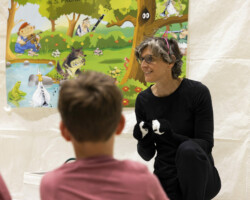
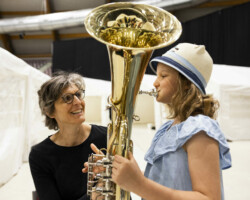
A major concern of hers is participatory music education, which has led to large choral projects with over 300 participants, as well as educational projects for children, young people and students, for which Elisabeth Fuchs initiated the Salzburg Children's Festival in 2007, the apprentice concerts in the Grosses Festspielhaus in 2013 and the lecture "UV Musikkunde interaktiv inklusive Konzerterlebnisse" for students in 2018. From 2009 to 2018, she was the artistic director of the Salzburg Cultural Association.

Elisabeth Fuchs studied orchestral conducting, choral conducting, oboe, school music and mathematics at the Mozarteum University Salzburg, at the Paris-Lodron University Salzburg and at the Cologne University of Music. Balduin Sulzer, Franz Welser-Möst, Herbert Böck, Karl Kamper and Dennis Russell Davies were musically influential figures in her artistic career. Elisabeth Fuchs was awarded the Irma von Troll Borostyáni Prize for her outstanding achievements in 2005, the Federal Decoration of Honor of the Federal Ministry of Education, Arts and Culture in 2007, the Salzburg Prize of the Cultural Fund of the City of Salzburg in 2017 and the Honorary Cup of the City of Salzburg in 2018.

She lives in Salzburg with her two children.

Elisabeth Fuchs, Conductor

Elisabeth Fuchs , a native of Austria, is the principal conductor of the Salzburg Philharmonic, with which she performs a wide-ranging repertoire at the Festspielhaus Salzburg, the Felsenreitschule, and the Great Hall of the Mozarteum (Bach, Mozart, Beethoven, Schubert, Mendelssohn, Schumann, Brahms, Bruckner, Mahler, Dvořák, Tchaikovsky, Rachmaninoff, Shostakovich, Ravel, all the way to Arvo Pärt, Kurt Schwertsik, and John Adams). With her orchestra, she has made numerous guest appearances at the Vienna Musikverein, the Vienna Konzerthaus, the Brucknerhaus in Linz, the Congress Center in Villach, the Kurhaus in Wiesbaden, and the Tonhalle in Düsseldorf. In the fall of 2018, Elisabeth Fuchs , and the Salzburg Philharmonic undertook their first tour of China, featuring Beethoven’s “Pastoral” Symphony as the main work.

Since 2012, Elisabeth Fuchs has maintained a regular collaboration with the Stuttgart Philharmonic; since 2014, she has conducted the Zagreb Philharmonic Orchestra at Lisinski Hall nearly every season. In 2013, she made her debut with the Helsingborg Symphony Orchestra and was invited back, just as she was after her debut with the Brussels Philharmonic Orchestra in 2014. Elisabeth Fuchs has performed at the Musikhalle Hamburg, the Konzerthaus Dortmund, and the Rheingau Music Festival, and has conducted the Bruckner Orchestra Linz, the Tonkünstler Orchestra of Lower Austria, and the NDR Radio Philharmonic Orchestra Hannover. In 2018, she made her debut with the WDR Symphony Orchestra Cologne, the HR Symphony Orchestra Frankfurt, and the Munich Symphony Orchestra. In 2019, she recorded the CD “Volkslied reloaded” for Sony Music with the Munich Radio Orchestra and Quadro Nuevo.

Elisabeth Fuchs made her debut at the Prague State Opera with The Magic Flute, at the Salzburg Festival she conducted Shostakovich's The New Babylon and the Mozart operas Bastien und Bastienne and Der Schauspieldirektor, which were recorded on DVD by Deutsche Grammophon.
In 2017, Elisabeth Fuchs made her debut in Israel with the Beer Sheva Sinfonietta. She has also conducted the Hamburg Symphony Orchestra, the Württembergische Philharmonie Reutlingen, the Wuppertal Symphony Orchestra, the Mozarteum Orchestra Salzburg, the Erfurt Symphony Orchestra, the Nordwestdeutsche Philharmonie Herford and the Dortmund Philharmonic Orchestra.

Elisabeth Fuchs loves to push musical boundaries. This has led to unique musical and performance projects with Quadro Nuevo, Stjepan Hauser (2CELLOS), the David Orlofsky Trio, the Klazz Brothers, Henry Threadgill, Pacho Flores, Andreas Martin Hofmeir, Julia Hagen, Benjamin Schmid, Olga Scheps, Ferhan and Ferzan Önder, Fabio Martino, Sergej Malov, Yury Revich, Alina Pogostkina, Daniel Müller-Schott, Per Arne Glorvigen, Nikolai Tokarev, Rolando Villazón, Evelyn Huber, Deborah Henson-Conant, Iris Berben, Maria Bill, Monika Ballwein, Conchita Wurst, Cornelius Obonya, Philipp Hochmair, Frederic Böhle, Hans Sigl, Urbanatix, Herbert Pixner, Monika Gruber, or Salut Salon.

A major concern of hers is participatory music education, which has led to large choral projects with over 300 participants, as well as educational projects for children, young people and students, for which Elisabeth Fuchs initiated the Salzburg Children's Festival in 2007, the apprentice concerts in the Grosses Festspielhaus in 2013 and the lecture "UV Musikkunde interaktiv inklusive Konzerterlebnisse" for students in 2018. From 2009 to 2018, she was the artistic director of the Salzburg Cultural Association.

Elisabeth Fuchs studied orchestral conducting, choral conducting, oboe, school music and mathematics at the Mozarteum University Salzburg, at the Paris-Lodron University Salzburg and at the Cologne University of Music. Balduin Sulzer, Franz Welser-Möst, Herbert Böck, Karl Kamper and Dennis Russell Davies were musically influential figures in her artistic career. Elisabeth Fuchs was awarded the Irma von Troll Borostyáni Prize for her outstanding achievements in 2005, the Federal Decoration of Honor of the Federal Ministry of Education, Arts and Culture in 2007, the Salzburg Prize of the Cultural Fund of the City of Salzburg in 2017 and the Honorary Cup of the City of Salzburg in 2018.

She lives in Salzburg with her two children.

Elisabeth Fuchs, Conductor

Elisabeth Fuchs , a native of Upper Austria, is the principal conductor of the Salzburg Philharmonic. Since 2023, she has also served as principal conductor of the Burgenland State Orchestra.
She has collaborated for several years with the Stuttgart Philharmonic, the Zagreb Philharmonic Orchestra, the Helsingborg Symphony Orchestra, and the Brussels Philharmonic Orchestra. She has also conducted the Bruckner Orchestra Linz, the Tonkünstler Orchestra of Lower Austria, the Mozarteum Orchestra Salzburg, the Recreation Graz Orchestra, the Hamburg Symphony Orchestra, the Dortmund Philharmonic, the NDR Radio Philharmonic Hannover, the WDR Symphony Orchestra Cologne, the HR Symphony Orchestra Frankfurt, the Munich Symphony Orchestra, and the Munich Radio Orchestra.

Elisabeth Fuchs made her debut at the Prague State Opera with The Magic Flute, at the Salzburg Festival she conducted Shostakovich's Das Neue Babylon as well as the Mozart operas Bastien und Bastienne and Der Schauspieldirektor, which were recorded on DVD by the classical music label Die deutsche Grammophon. Elisabeth Fuchs loves to experiment across musical boundaries, which has led to special music & performance projects with Quadro Nuevo, Stjepan Hauser (2CELLOS), David Orlofsky Trio, Klazz Brothers, Henry Threadgill, Pacho Flores, Andreas Martin Hofmeir, Benjamin Schmid, Sergej Malov, Yury Revich, Alina Pogostkina, Daniel Müller-Schott, Per Arne Glorvigen, Nikolai Tokarev, Rolando Villazón, Evelyn Huber, Iris Berben, Maria Bill, Cornelius Obonya, Philipp Hochmair, Hans Sigl, Urbanatix and Salut Salon.

She is deeply committed to participatory music education, which has led, among other things, to large-scale choral projects—including a choir founded in 2019 with over 300 participants—as well as music education programs for children and young people. To this end, Elisabeth Fuchs founded the Salzburg Children’s Festival in 2007, established the Apprentice Concerts at the Großes Festspielhaus and the Brucknerhaus Linz in 2013, launched the cross-genre competition “Zeig dein Talent” in 2021, initiated a recorder project for 6,000 children in 2022, and founded the Salzburg Children’s & Youth Philharmonic. From 2009 to 2018, she served as artistic director of the Salzburg Cultural Association, one of the largest concert organizers in Salzburg.

Elisabeth Fuchs studied orchestral conducting, choral conducting, oboe, school music and mathematics at the Mozarteum University Salzburg, the Paris Lodron University Salzburg and at the Cologne University of Music.

Elisabeth Fuchs, Conductor
Elisabeth Fuchs , a native of Austria, studied orchestral conducting, oboe, music education, and mathematics at the Mozarteum in Salzburg, Paris-Lodron University in Salzburg, and the Cologne University of Music. She is the principal conductor of the Salzburg Philharmonic and the Burgenland State Orchestra and maintains an active collaboration with renowned orchestras such as the Stuttgart Philharmonic, the Zagreb Philharmonic Orchestra, and the Brussels Philharmonic Orchestra.

Elisabeth Fuchs loves to push musical boundaries. This has led to special collaborations with Stjepan Hauser (2Cellos), the David Orlowsky Trio, the Klazz Brothers, Rolando Villazón, Iris Berben, and many other artists. She is deeply committed to participatory music education, which has led, among other things, to choir projects with over 300 participants as well as intensive work with children and young people.

Video: Elisabeth Fuchs (open the German version here)

Elisabeth' Fuchs 's YouTube channel